A subtitle track and a sworn court document could not be more different in tone, format, or purpose, yet both fall under the broad umbrella of professional translation. Understanding why they demand such different skill sets helps explain why generalist providers often struggle with specialized content.
Legal Documents Leave No Room for Interpretation
Sworn statements, birth certificates, and court filings require translators who understand both the source and target legal systems, since a single mistranslated term can change the legal meaning of a document entirely. Companies expanding operations into German-speaking markets often need a German translation services partner experienced specifically in certified legal documentation rather than general business content.
Video and Multimedia Translation Is a Different Craft Entirely
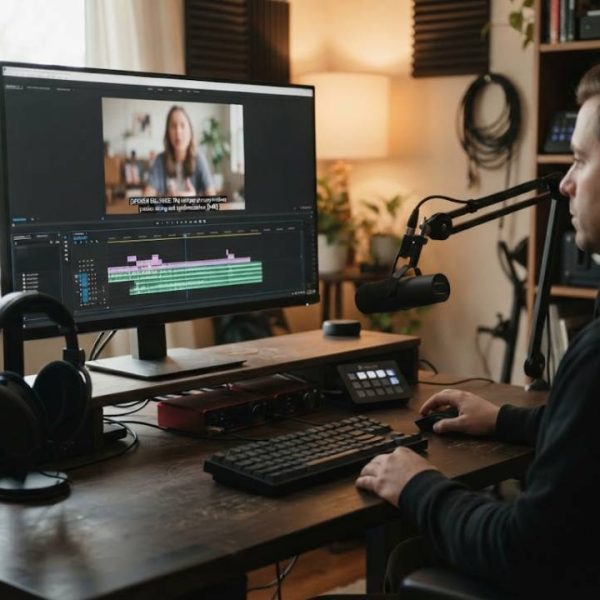
Translating video content, whether subtitles, dubbing scripts, or voiceover text, requires an entirely different sensibility. Timing constraints mean translators must often compress or expand phrases to match on-screen pacing, all while preserving meaning and tone. A literal translation that reads perfectly on paper can feel awkward or rushed when synced to video.
Song translation pushes this even further, requiring translators to preserve rhythm, rhyme, and emotional impact, sometimes prioritizing these elements over strict literal accuracy to keep the piece singable and natural in the target language.
Software Localization Blends Technical and Creative Skills
Translating a software interface involves more than converting menu labels. Translators must account for character limits in buttons, cultural conventions around date and currency formats, and the practical reality that translated text is often longer or shorter than the original, which can break a carefully designed layout if not handled properly.
Consistency Tools Matter Across Every Format
Whether working on legal contracts or software strings, professional translators rely on a CAT editor to maintain consistent terminology throughout a project. This becomes especially important in software localization, where the same button label might appear across dozens of screens and must be translated identically every time.
Providers like Wordbeam demonstrate how modern translation infrastructure supports this kind of consistency at scale, whether the content is a single legal contract or thousands of interface strings across a growing software product.
Real-Time Interpretation Adds Another Layer of Complexity
Simultaneous interpretation at live events demands split-second decision-making that written translation never requires. Interpreters must process, translate, and deliver speech in real time, all while maintaining accuracy under significant cognitive pressure, a skill set that takes years of dedicated training to develop.
Matching Content to the Right Specialist
Organizations that need multiple types of translation, legal, multimedia, technical, and live interpretation, benefit from working with providers who either specialize deeply in one area or maintain distinct teams for each content type rather than assigning every project to the same generalist translator.
The Cost of Mismatched Expertise
Assigning a legal translation to someone whose background is primarily in creative or media work, or vice versa, tends to produce results that fall short in ways that are not always obvious until it is too late. A legal translator without media experience might miss the pacing constraints of subtitle work, while a creative translator without legal training might miss the precise terminology a contract requires.
This mismatch is one of the most common reasons projects require expensive rework, and it underscores why choosing a provider based on relevant specialization matters more than choosing based on price alone.
Building a Multi-Format Content Strategy
Organizations that regularly produce content across multiple formats, marketing videos, legal disclaimers, software updates, benefit from developing a coordinated translation strategy rather than sourcing each project independently. This might mean maintaining separate vendor relationships for different content types, or working with a larger agency capable of routing projects to the right internal specialist.
Either approach beats the alternative of discovering, project by project, that a translator's strengths do not match the specific demands of the content in front of them.
Quality Assurance Looks Different for Each Content Type
Reviewing a legal translation involves checking terminology against source documents and confirming certification requirements are met. Reviewing a video translation involves watching the final product with subtitles or dubbing in place to confirm timing and tone feel natural. These different review processes require different expertise, and providers who understand this distinction consistently deliver better results across formats.
Looking Ahead as Content Formats Multiply
As businesses produce content across an ever-growing number of formats and platforms, the demand for translators who understand the specific requirements of each format will only increase. Organizations that recognize these differences early, and build their translation partnerships accordingly, will be far better positioned to communicate clearly across every channel they use.